Introduction
When it comes to maximizing the utility of your pole barn garage, insulation often takes a backseat in conversations about design and functionality. But hold on! Insulating your pole barn garage is not just an option; it's an essential step toward creating a comfortable, energy-efficient space. Whether you're using this structure as a workshop, storage area, or even a cozy retreat, proper insulation can make all the difference.
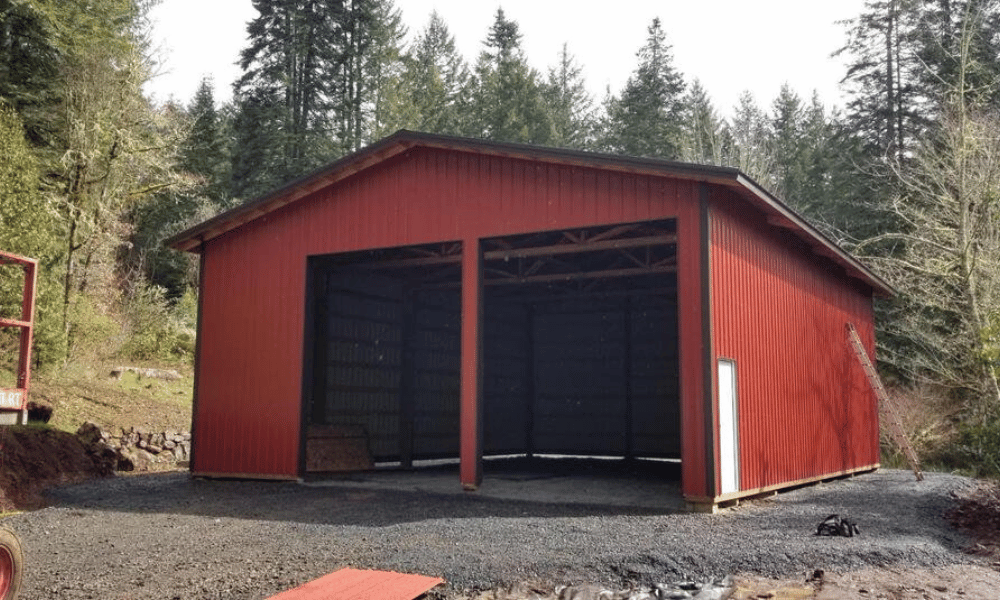
Why should you care about insulating your pole barn garage? Well, let's not beat around the bush. Inadequate insulation leads to fluctuating temperatures, increased energy bills, and even potential damage to stored items. So stay tuned as we dive deeper into Essential Tips for Insulating Your Pole Barn Garage.
Understanding Pole Barn Garages
What is a Pole Barn Garage?
A pole barn garage is typically a simple structure built using vertical poles to support the roof. This construction style offers flexibility and cost-effectiveness, making it popular for both residential and agricultural uses.
Why Choose a Pole Barn Garage?
- Affordability: Generally cheaper than traditional garages. Versatility: Can be customized for various functions. Quick Construction: Built faster than conventional structures.
Essential Tips for Insulating Your Pole Barn Garage
The Importance of Insulation in Pole Barn Garages
Insulation plays several roles in maintaining the integrity and usability of your pole barn garage:
- Temperature Regulation: Keeps the internal environment stable. Energy Efficiency: Reduces heating and cooling costs. Moisture Control: Prevents mold growth and structural damage.
Choosing the Right Type of Insulation
Fiberglass Batts
Fiberglass batts are among the most common insulation materials used in pole barns. They offer great thermal resistance but need careful installation to avoid gaps.
Spray Foam Insulation
Spray foam acts as both insulation and an air barrier. It's perfect for hard-to-reach areas but can be more expensive than other options.
Rigid Foam Board
Rigid foam boards provide high R-value per inch of thickness and are ideal for insulating walls and ceilings in pole barns.
Assessing Your Insulation Needs
Climate Considerations
Your geographical location significantly affects your insulation strategy. Warmer climates may focus on ventilation while colder regions require substantial thermal resistance.
Purpose of Use
Will you use your pole barn garage year-round or seasonally? This question will influence how much insulation you require.
Steps to Insulate Your Pole Barn Garage Effectively
Step 1: Planning Your Insulation Project
Before jumping into action, take time to plan your project thoroughly:
Measure your space accurately. Decide on which type of insulation suits your needs best. Budget appropriately; consider both material costs and labor if applicable.Step 2: Preparing the Space
Make sure your pole barn garage is clean before starting:
- Remove any stored items. Inspect for leaks or gaps that might affect insulation performance.
Step 3: Installing Wall Insulation
For wall insulation, follow these steps:
Cut fiberglass batts or rigid foam boards to fit snugly between studs. Use vapor barriers if necessary to prevent moisture infiltration.Step 4: Ceiling Insulation Techniques
Ceiling insulation can be tricky; here's how you do it right:
Install fiberglass batts between joists or opt for spray foam if you're looking for maximum efficiency. Ensure all gaps are sealed properly.Step 5: Ventilation Solutions
Proper ventilation is crucial in preventing moisture buildup:
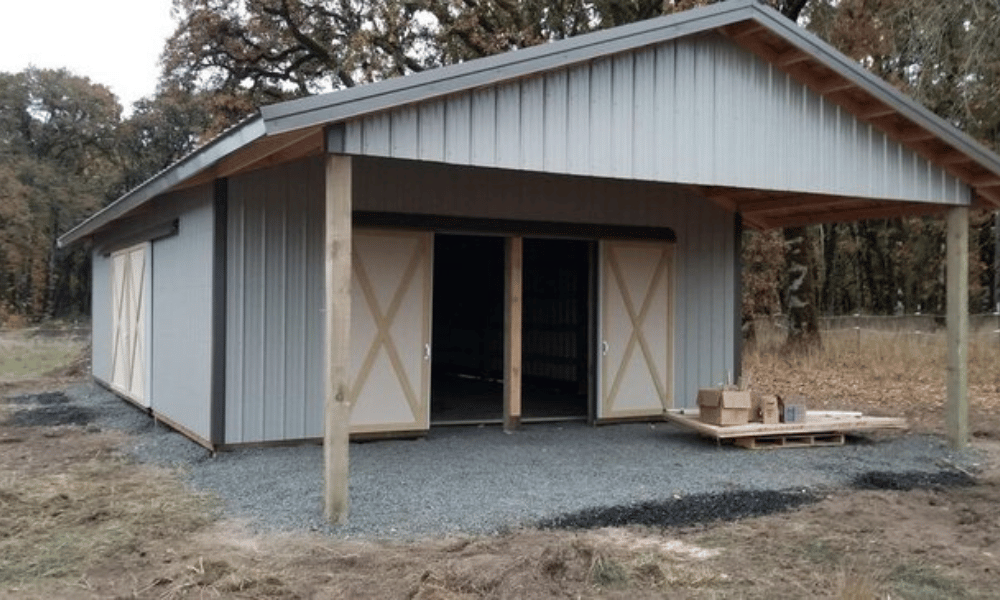
- Install vents at both low and high points within the structure. Consider exhaust fans if necessary.
Common Mistakes When Insulating a Pole Barn Garage
Ignoring Moisture Control
Moisture can wreak havoc on any structure—don't overlook it!
Overlooking Air Gaps
Even small gaps can drastically reduce the effectiveness of your insulation.
FAQs About Insulating Your Pole Barn Garage
Q1: How much does it cost to insulate a pole barn garage?
A1: Costs vary widely based on materials chosen but generally range from $0.50 to $2 per square foot.
Q2: Can I insulate my pole barn garage myself?
A2: Yes! Many homeowners choose DIY methods; however, professional help ensures higher quality results.
Q3: Is spray foam worth it?
A3: Absolutely! pole barn While initially more costly, spray foam provides better long-term savings through energy efficiency.
Q4: Do I need permits for insulating my garage?
A4: Check local regulations; some areas may require permits for renovations involving structural changes.
Q5: How do I know if my current insulation is adequate?
A5: Look for drafts, uneven temperatures inside the garage, or visible signs of moisture damage.
Q6: What’s the best way to maintain my insulated pole barn garage?
A6: Regularly inspect for moisture issues or pest infestations that could compromise insulation integrity.
Conclusion
In conclusion, proper insulation transforms your pole barn garage from just another shed into a functional workspace that stands up against weather extremes while keeping energy costs in check. The key lies in understanding your specific needs—be it climate considerations or intended use—and choosing appropriate materials wisely.
But don’t forget—it’s not just about putting up walls or throwing in some batting; it's about creating an environment that works hard for you throughout every season of the year! So roll up those sleeves—your insulated pole barn awaits!
By following these Essential Tips for Insulating Your Pole Barn Garage, you'll not only enhance comfort and functionality but also add value to your property—what’s not to love about that?