Introduction
When it comes to creating the perfect workspace or storage solution, pole barn garages offer a unique blend of functionality and versatility. Whether you're looking to store vehicles, tools, or recreational equipment, these structures can be customized to suit your specific needs. In this comprehensive guide, we'll explore various pole barn garage layouts, diving into design strategies that maximize storage while maintaining an inviting atmosphere. From understanding the basics of pole barn construction to exploring advanced organizational techniques, this article is your go-to resource for designing a practical and efficient pole barn garage.
Pole Barn Garages: The Basics
What Is a Pole Barn Garage?
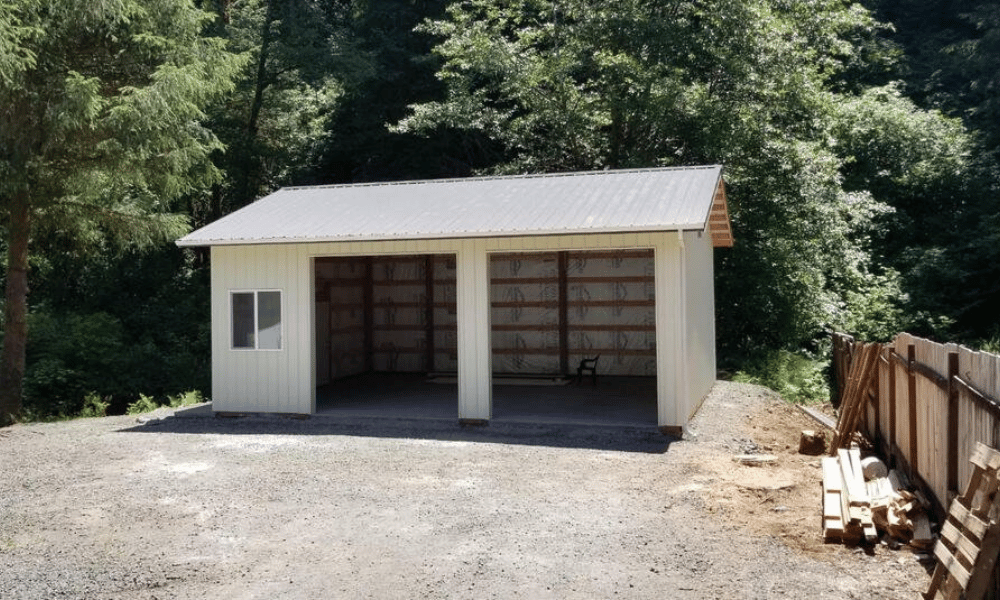
A pole barn garage is a type of building constructed using wood or metal poles as the main support structure. Unlike traditional garages that rely on a more complex foundation, pole barns are easier and often cheaper to build. This makes them an ideal choice for homeowners looking for additional storage space without breaking the bank.
Advantages of Pole Barn Garages
Cost-Effective: Due to their simpler construction methods, pole barns are generally less expensive than conventional garages. Versatile Designs: They can be customized in size and shape, catering to individual preferences and needs. Quick Construction: Building a pole barn garage usually takes less time than conventional structures. Low Maintenance: With proper materials and care, pole barns require minimal upkeep.Designing Your Pole Barn Garage Layout
Understanding Your Needs
Before launching into designs and layouts, it's crucial to assess what you plan to store in your pole barn garage. Are you primarily using it for vehicles? Or do you have tools and equipment that need organization? Understanding your needs will guide your layout decisions.
Key Considerations for Layout Design
Space Availability: Measure the area where you plan to build the garage. Access Points: Consider how many entrances you'll need for convenience. Natural Light: Think about windows or skylights for better visibility. Ventilation: Proper airflow is essential if you're storing fuel-powered equipment.Popular Pole Barn Garage Layouts
Open Floor Plan: Freedom & Flexibility
An open floor plan allows for maximum flexibility in organizing your tools and vehicles. Without internal walls obstructing space, you can adapt the layout as needed.
Pros of Open Floor Plans
- Easy rearrangement of items Spacious feel Ideal for multi-purpose use
Cons
- Less defined storage areas May require more organizational systems
Zoning Your Garage: Defining Spaces
Zoning refers to dividing your garage into sections based on usage—vehicle parking on one side, tool storage on another. This method keeps everything organized and easily accessible.
Benefits of Zoning
- Streamlined workflow Reduced clutter Improved accessibility
Multi-Level Layouts: Maximizing Vertical Space
If horizontal space is limited, consider building upward! Multi-level designs allow you to utilize vertical space efficiently.
Advantages
- More storage options (shelves, overhead racks) Clear separation between different areas (e.g., workshop vs vehicle)
Essential Features for Effective Storage
Shelving Units: Creating Vertical Storage Solutions
Installing shelving units is one of the simplest ways to maximize storage in any layout.
Use sturdy materials like plywood or metal. Install shelves at varying heights. Include adjustable shelving for flexibility.Workbenches: Functional & Practical Spaces
Having a designated workspace is critical if you're using your pole barn garage as a workshop.
Place workbenches against walls or near power outlets. Ensure ample lighting above work areas. Incorporate tool organizers above or below benches.Pegboards & Tool Storage Solutions
Pegboards are fantastic additions for keeping tools visible and organized.
Hang frequently used tools within easy reach. Use hooks and shelves on pegboards creatively. Label sections for quick identification.Lighting & Ventilation Solutions
Natural Light: Bringing In Sunshine
Maximizing natural light not only brightens up your space but also reduces energy costs!
Include large windows or glass doors in your design. Consider adding skylights if feasible. Use translucent panels in roof designs.Artificial Lighting Options
In addition to natural light sources, ensure adequate artificial lighting:
LED lights are energy-efficient and long-lasting. Install task lighting over workbenches. Use motion-sensor lights near entrances.Organizational Techniques For Maximum Efficiency
Utilizing Wall Space Effectively
Wall-mounted systems help keep floors clear while maximizing available space:
Install magnetic strips for small tools like screwdrivers. Use wall-mounted bins or baskets for storing smaller items. Keep frequently used items at eye level; less-used items higher up.Floor Organization Strategies
Keeping the floor organized prevents clutter:
Designate specific zones within the floor space (e.g., parking zone). Utilize rolling carts for mobile tool stations that can be moved as needed! Implement flooring solutions like rubber mats for comfort during long hours spent working inside the garage!Best Practices For Maintenance
Regular Inspections
Regularly checking on your structure ensures longevity:
1) Inspect roofing materials annually after severe weather events! 2) Look out for signs of rot around wooden poles or supports! 3) Examine insulation every few years if applicable!
Seasonal Cleaning Routines
Establishing seasonal cleaning habits helps maintain organization:
1) Declutter before winter by removing non-essential items! 2) Conduct deep cleaning sessions twice yearly! 3) Rotate stored items based on usage frequency!
Safety Measures In Your Pole Barn Garage Design
Fire Safety Protocols
Implement fire safety measures from day one:
1) Install smoke detectors near fuel storage areas! 2) Keep fire extinguishers accessible nearby! 3) Avoid overloading electrical circuits with too many devices plugged in simultaneously!
First Aid Kits Are A Must!
Having first aid kits readily available ensures swift response during minor injuries:
1) Stock supplies like band-aids, antiseptic wipes & gauze pads! 2) Check expiration dates regularly so nothing goes unused past its shelf life!
FAQs About Pole Barn Garages
Q: What’s the average cost of building a pole barn garage?
A: Costs vary widely depending on size, materials used, local labor rates—but budgets typically range from $10-$30 per square foot!
Q: Can I customize my pole barn garage layout?
A: Absolutely! One great advantage is that they can be tailored specifically according to individual preferences/requirements!
Q: How do I obtain permits necessary before starting construction?
A: Contact local government offices regarding zoning laws/building codes—this info will guide you through obtaining required permits!
Q: What type of insulation should I use in my pole barn garage?
A: Popular options include fiberglass batt insulation plus spray foam—they both provide excellent thermal resistance when installed properly!
Q: What maintenance is required once my pole barn garage is built?
A: Regular inspections plus seasonal cleanings should be part of ongoing care—especially checking roofs/siding/walls periodically!
Q: Can I heat my pole barn garage effectively?
A: Yes! Heating options include electric heaters/wood stoves/radiant floor heating—choose based on budget/preferences regarding efficiency levels desired!
Conclusion
Designing a functional yet stylish Pole Barn Garage doesn’t have to be overwhelming; with careful planning addressing both structural elements alongside thoughtful organizational strategies ensures maximized storage capabilities while maintaining aesthetics too! Remember that investing time upfront pays off later when everything has its place making tasks smoother overall experience within this versatile space—the ultimate goal after all!
For those embarking on this journey toward creating an efficient storage haven tailored just right—happy designing ahead!